
Understanding Treatment and Providing Support
Treatment For Special Populations
Pregnant Women
Treatment
- Current clinical recommendations for pregnant people with OUD include medication for opioid use disorder (MOUD) rather than supervised withdrawal due to a higher likelihood of better outcomes and a reduced risk of relapse (CDC, September 2023)
- Healthcare providers and pregnant people with OUD should work together to manage medical care during pregnancy and after delivery.
- Coordination of care between a prenatal care provider and a specialist with expertise in opioid use helps avoid problems for pregnant women and their babies.
- Methadone and buprenorphine are first-line therapy options for pregnant people with OUD, along with behavioral therapy and medical services.
- While some treatment centers use naltrexone to treat OUD in pregnant people, information on its safety during pregnancy is limited.
- If a woman is stable on naltrexone before pregnancy, continuing naltrexone treatment during pregnancy should involve a careful discussion between the provider and the patient.
Infants
Infants born to women who use opioids are likely to have physiological disturbances and low birth weight (Developing Brain Institute, 2022).
- Using opioids during pregnancy may cause early labor, fetal distress, or miscarriage.
- Opioid use during pregnancy has been associated with an increased risk of certain birth defects. While this risk is well-documented for some opioids, the effects of prenatal fentanyl exposure remain under investigation.
- Pregnant women need supervised withdrawal.
- Babies should be monitored for Neonatal Abstinence Syndrome (NAS) and be referred to services, as needed.
- Pregnant women are encouraged to consult with their medical provider regarding breastfeeding for newborns with NAS.
- Breastfeeding is usually encouraged for newborns with NAS.
- SAMHSA’s National Helpline at 800 – 662-HELP (4357) provides guidelines for managing the care of infants with long-term opioid exposure during pregnancy.
Veterans
Factors that Can Affect Veterans: Opioid misuse issues | Chronic pain | Stress | Traumatic experiences
Veterans benefit from services delivered by individuals who share key experiences or similar backgrounds (such as “peer support”). They may need help or other interventions to connecting to the Veterans Health Administration. Veterans may benefit from services that incorporate the perspectives and voices of other veterans with lived experience of substance use.
Veteran’s Crisis Line: 800 – 273-8255
Formerly Incarcerated Individuals
Individuals reentering the community after incarceration are among those at greatest risk of overdose, especially in the first weeks after release. Expanding access to MOUD within jails and prisons, along with timely transitions to treatment in the community, is essential to save lives.
Resources:
- Addiction Treatment for Incarcerated Persons — North Carolina Opioid Settlements (ncopioidsettlement.org)
- Methadone and MAT in Prisons and Jails
- Formerly Incarcerated Transition (FIT) Program connects formerly incarcerated individuals who have a chronic disease, mental illness and/or substance use disorder with health care services and other resources.
- Reservoir of Hope provides housing for men who have recently been released, wrap-around services, and mental health counseling.
- Religious Coalition for a Non-Violent Durham
- Coming Home—A Justice-Involved Permanent Supportive Housing Program
- Local Reentry Council
Addressing Barriers to MOUDs Faced by People in Incarceration
Factors that Compound the Problem
- A lack of in-prison substance misuse treatment feeds the growing opioid crisis.
- Former opioid users in prison may have developed a lower tolerance to the drug.
As of 2021, the Durham County Detention Center is now just one of three county detention centers in North Carolina to be American Correctional Association (ACA) certified, joining facilities in Mecklenburg and New Hanover counties. Performance-Based Health Care Standards for Adult Local Detention Facilities, Fourth Edition, is another aspect of accreditation. It is unknown if ACA has accredited the health care at these facilities, which is especially important because it is the interface crucial for prisoners’ health when they leave. If individuals receive MOUD treatment while incarcerated, there should be a clear connection to community resources to ensure continuity of care and prevent interruption of their medication.
Those who run jails and detention centers, including juvenile facilities are encouraged to consider the following actions:
- During intake, assess mental health and suicide risk. Ensure sufficient staffing to facilitate follow-up.
- Provide mental health services.
- Recommend MOUD for those who misuse substances.
- Promote visitation from healthy supports.
- Promote open and constructive communication between those incarcerated and staff, including counselors and support personnel.
Providers working with individuals returning to the community post incarceration should:
- Provide housing, jobs, and healthcare linkages, including mental health services, before the person leaves prison, and set up mental health follow-through.
- Remind them that alcohol intensifies the impact of substance misuse.
- Connect them to Peer Support services during incarceration and provide follow-up to ensure continuity of care.
- Encourage the development of a mentor relationship so the juveniles have someone to turn to if things are problematic in their housing and care arrangements.
- Establish these links while the person is still incarcerated.
Narcan vending machines now in two Durham County buildings as part of fight against opioid-related deaths
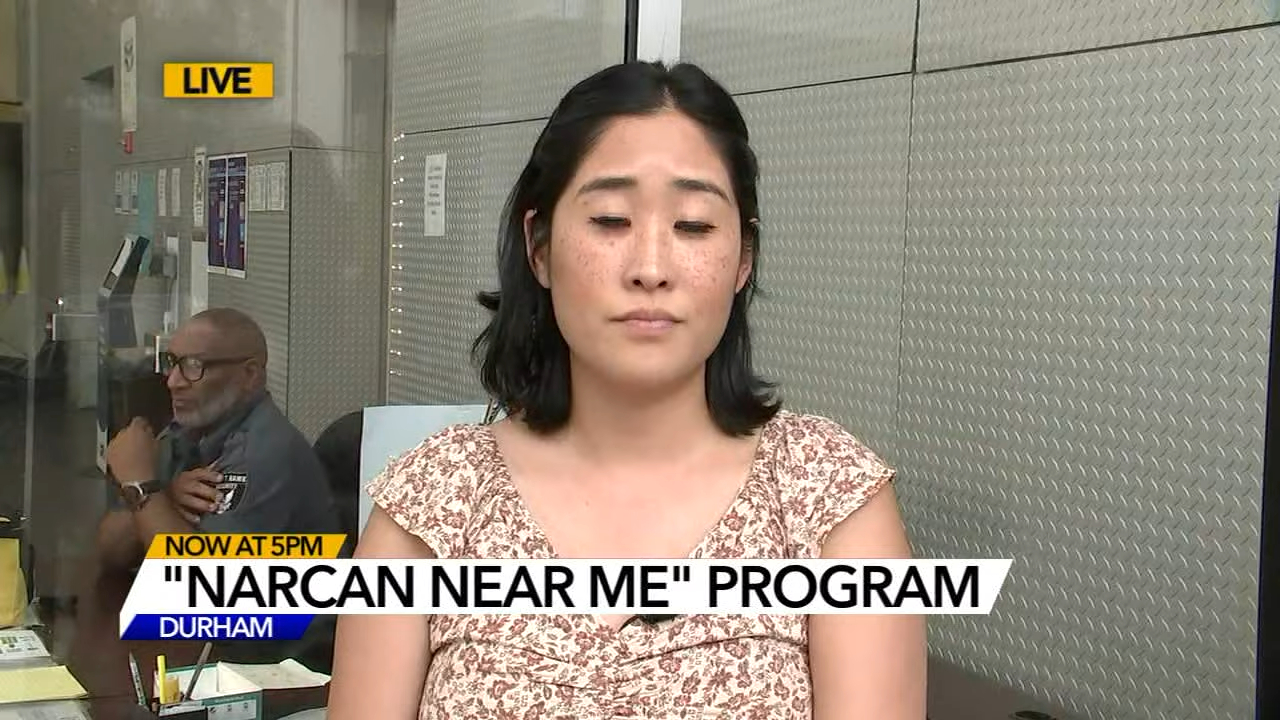
ABC11 Eyewitness News
ABC11 Eyewitness News
https://www.youtube.com/watch?v=LAQfgG53y_o
Opioid use disorder treatment in jails making strides in North Carolina.
Framing MOUD in jails as an Americans with Disabilities Act issue is prompting a shift in how the treatment is managed, with jails now more willing to sort out the logistics (NC Health News).
North Carolina Opioid Settlements, North Carolina has implemented a strategy to support evidence-based addiction treatment, including Medication-Assisted Treatment (MAT) with at least one FDA-approved opioid agonist for persons who are incarcerated. The strategy aims to increase the availability of MAT with FDA-approved medications, such as buprenorphine, within the justice system. Studies have shown that MAT reduces criminal activity, overdose risk, the spread of costly infectious diseases, and recidivism (North Carolina Department of Justice, n.d.; GovFacts, n.d.).
Principles of Effective Treatment
Click on each statement for details.
1. Addiction is a complex but treatable disease that affects brain function and behavior.
Because substance use disorders often co-occur with other mental illnesses, individuals should be assessed for both. Treatment should address all conditions concurrently and include medication when appropriate.
2. No single treatment is appropriate for everyone.
Treatment varies depending on the type of drug and the characteristics of the individuals. Matching treatment settings, interventions, and services to an individual’s particular problems and needs is critical to his or her ultimate success in returning to productive functioning in the family, workplace, and society.
3. Treatment needs to be readily available.
Because individuals with substance use disorders may hesitate to begin treatment, it is critical to offer services as soon as the person is ready. Delays in access can result in lost opportunities for care, and like other chronic diseases, early intervention increases the likelihood of positive outcomes.
4. Effective treatment attends to multiple needs of the individual, not just his or her drug misuse.
To be most effective, treatment must take a holistic approach, addressing multiple dimensions of wellness.
5. Remaining in treatment for an adequate period of time is critical.
The appropriate duration of treatment is determined by the nature and extent of the individual’s disorder, as well as their treatment needs.
6. Therapeutic interventions are the most commonly used forms of treatment.
The types of treatment services include:
- Individual counseling
- Group counseling
- Family services
7. Medications are an important element of treatment for many individuals, especially when combined with other therapeutic modalities.
Medications such as methadone, buprenorphine, and naltrexone (including long-acting forms) are effective in helping individuals with opioid use disorders stabilize and reduce illicit use. For alcohol dependence, approved treatments include acamprosate, disulfiram, and naltrexone. Nicotine addiction can be treated with nicotine replacement therapies (patches, gum, lozenges, nasal spray) or oral medications like bupropion and varenicline, particularly when combined with comprehensive behavioral treatment.
8. Treatment and services plans must be assessed continuously and modified as necessary to ensure that they meet an individual’s changing needs.
A patient may require a combination of services during treatment and recovery. In addition to counseling or psychotherapy, individuals may need medication, medical services, family or parenting resources, vocational rehabilitation, and/or social and legal services, etc.
9. Many individuals struggling with addiction also experience co-occurring mental health disorders.
Substance use and addiction can contribute to the exacerbation of certain mental health conditions which may require treatment.
10. Medically assisted detoxification represents only the initial phase of addiction treatment and, on its own, has limited impact on sustaining long-term recovery.
While medically assisted detoxification can effectively address the acute physical symptoms of withdrawal and may serve as a foundation for long-term recovery, it is seldom sufficient on its own to support lasting abstinence. Therefore, patients should be encouraged to engage in ongoing treatment following detox.
11. Treatment does not need to be voluntary to be effective.
Pressure or support from family, employers, or the justice system could improve treatment entry, retention, and outcomes.
12. Ongoing monitoring of substance use during treatment is essential, as relapse can occur.
For some individuals, awareness of monitoring can avoid relapse and sustain sobriety.
13. Programs should test for HIV, hepatitis, TB, and other infectious diseases as well as provide person centered counseling, and appropriate linkage to treatment.
Substance misuse treatment reduces risky behaviors, supports illness management, and improves adherence to medical care. Programs should offer onsite rapid HIV testing to increase completion rates and connect individuals to effective treatments when needed.
Support community efforts to prevent, reduce, and/or eliminate substance misuse
Peer Support Specialists (PSS) or peer recovery specialists are people living in recovery with substance/opioid use disorder. A PSS can support an individual with opioid use disorder, either working one-on-one or in a group.