Positive peer pressure occurs when friends or peers motivate or influence someone to make healthy, responsible, or beneficial choices.
Here are a few examples of positive peer pressure:
Encouraging a friend to study harder so they can get better grades.
Getting an after-school job and convincing friends to get a job, too.
Saving money for a big purchase like a car and encouraging friends to do the same (Sybertz, 2022).
Disapproving of bigoted jokes or gossiping (Gordon, 2021).
Discouraging illegal or risky behavior, like under age drinking or smoking.
Coping Strategies
Strategies that may be useful for helping someone cope with peer pressure might include:
PLAN ahead: Think about the things you might be pressured to do that you don’t want to do. Plan for ways to deal with the pressure. Think about leaving a situation if it becomes uncomfortable. Identify a support person you could call.
GIVE an excuse: Develop a canned excuse for why you can’t participate in something you don’t want to do. For example, some families have an arrangement where if kids text their parents a certain pre-planned word or phrase, the parent will call to say something has come up and they need to come home.
BUILD friendships with the right people (Iannelli, 2022): People who share your child’s values are less likely to be the people who will bully them into doing things they don’t want to do.
RELY on trusted adults: Help your child identify which adults in their lives are safe and accessible for when they need to talk or when they need help getting out of a tricky situation.
Nine out of ten people with substance problems started using by age 18 (National Child Traumatic Stress Network, n.d.).
For every year a teen delays substance use, the risk of addiction and substance misuse decreases by 4 to 5 percent (Scott & Krinke, 2019; Jordan & Anderson, 2017).
Start the Conversation
Stop Underage Drinking
To stop underage drinking, parents and teens need to talk openly and honestly about alcohol, peer pressure, and addiction. Start the conversation here: talkitoutnc.org.
For Parents
Talk to Your Children
Teach your children how to say “no.” Help them develop the skills to think independently and encourage self-confidence. If you suspect your child or another person whom you love is being affected negatively by peer pressure, let them know you are someone they can trust and offer to make a plan for helping them get out of a bad situation (Morin, 2022).
Signs to look for include:
Avoiding school or other social situations
Being very image-conscious
Changes in behavior
Expressing feeling like they don’t fit in
Low moods
Making social comparisons
Trouble sleeping
Making fun of someone else
The Teenage Brain
Adolescent Brain
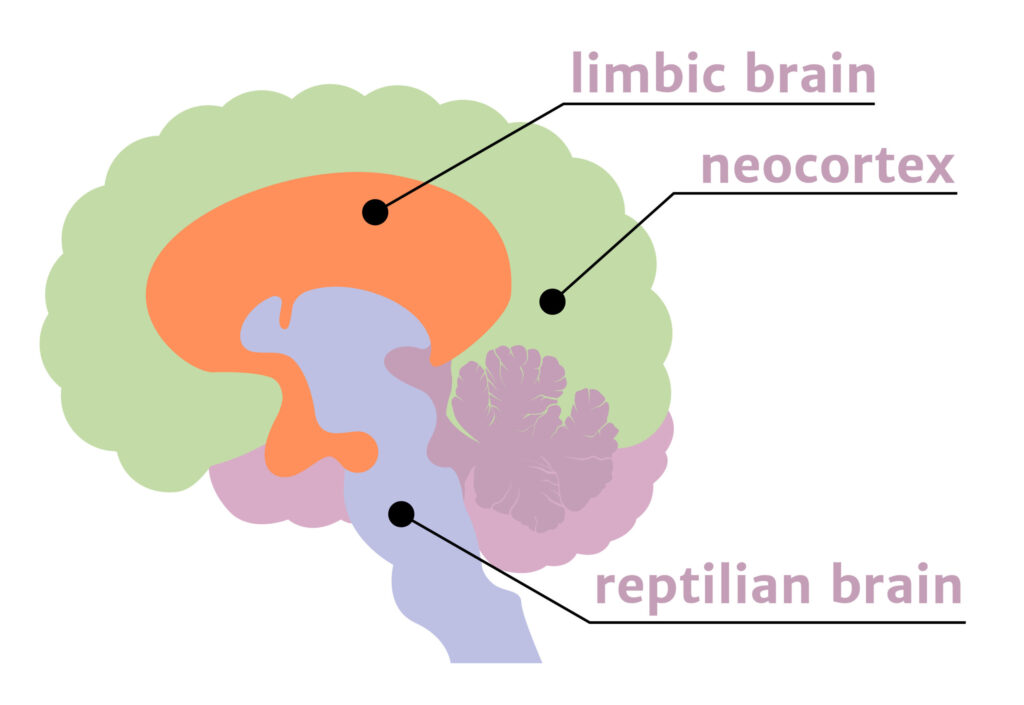
The human brain does not reach full development until after age 25. See the limbic structures in the image below. These areas are responsible for your emotions and rewards (Lumen, n.d.).
The limbic system develops earlier than the parts of the brain that govern impulse control, reasoning, and judgment, such as the prefrontal cortex.
This means you’re more likely to chase activities that feel rewarding or exciting before fully recognizing the potential consequences of your actions.
As a result, you might experiment with drugs or other risky behaviors without fully understanding the potential harm or long-term consequences they could have on your health and life.
The pre-frontal cortex and areas around it are responsible for judgment, decision-making and impulse control. Even later, the brain develops and uploads the executive function, which allows you to plan and meet goals, display self-control, follow multiple-step directions, even when interrupted, and stay focused despite distractions, among other things (Abrams, 2022).
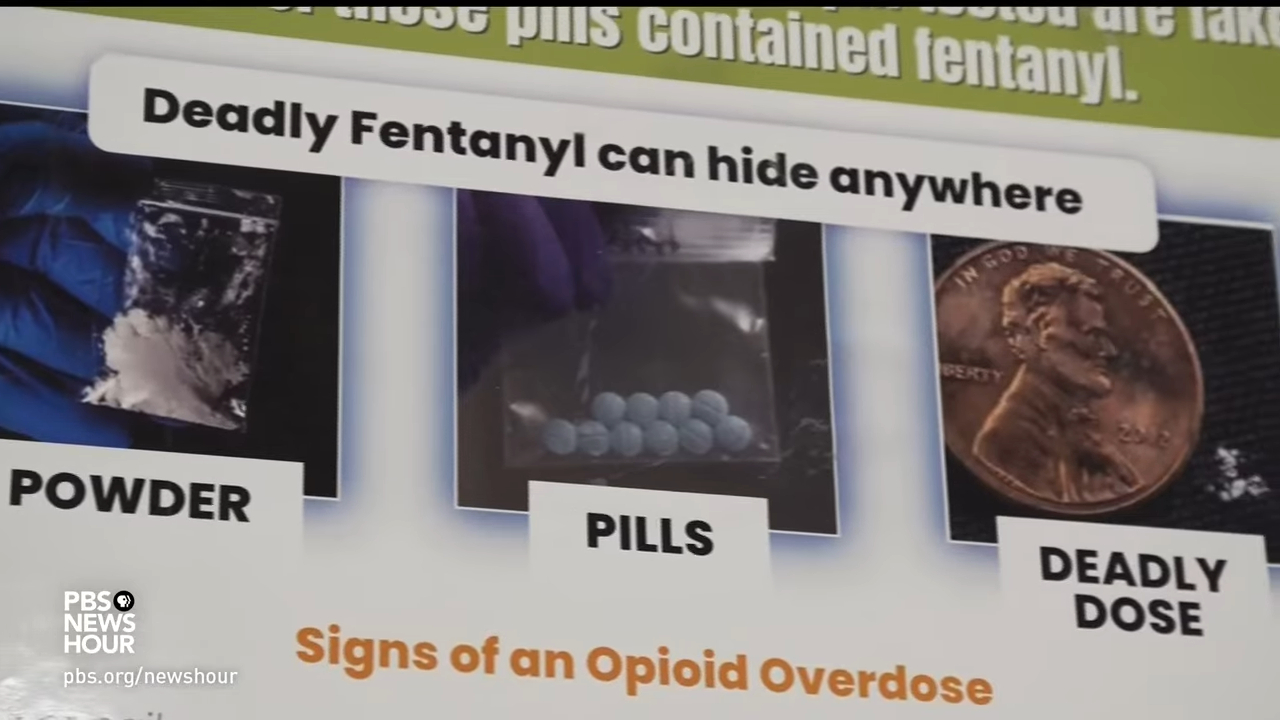
To counteract the effects of overdose, all schools in Sacramento, CA, K‑12 have Narcan available.
Discussion Questions
Here are several possible discussion questions and discussion exercises to be used with clients and/or patients. For example, some or all can be posed during group sessions or with individual clients or patients, particularly if they are adolescents.
How much time are you spending on electronics?
How can you reduce such activities?
Why should you put your cell phone away from your bed when you sleep?
Why should you avoid texting before bed?
How many hours of sleep do you regularly get and what can you do to increase this number?
Sleep deprivation can lead to an increase in cravings for certain substances. What can you do to improve your sleep?
People without enough sleep are more likely to experience mood swings, irritability, and impulsivity, making addiction more challenging to manage and making you more likely to give in to impulses. What do you understand about this information? What changes are you going to make?
Discussion Exercise
Your friend, Ayesha, comes to you and tells you that her boyfriend wants her to take drugs with him, to have that experience together to unite them as a couple. What do you tell her?
You see some of the popular kids gather after school around the back of the school and do some drugs. You want to be popular and show you’re part of the in-crowd. What do you do?
Your ten-year-old brother comes home, and you notice he’s acting weird, and he tells you he’s experimented with some drug. What do you do?
You’re new to the neighborhood and are invited to a party. After a while, some kids wander off, and you notice they’re doing some drugs. They invite you to join them. What do you say?
Things at home are bad. Your father was sentenced to prison, and your mom seems to be going crazy. There’s not enough to eat in the house, and one of your friends invites you to sell some drugs and get some easy money. What do you do?
Describe a situation where you had to make a difficult choice.