
Opioid-Abatement Toolkit

Opioid-Abatement Toolkit

Communiversity Developed and Tested

Adverse Childhood Experiences (ACEs): Risk & Protective Factors

What Are ACEs?

ABUSE

Physical
Emotional
Sexual

Definition

ACEs (Adverse Childhood Experiences) are potentially traumatic childhood experiences (0 – 17 years) that impact individuals during their lives. The more ACEs one has, the greater the likelihood of a problem with opioids, but there are things an individual can do to lessen the impact and to help communities lessen the impact of difficult circumstances to help children thrive.

HOUSEHOLD DYSFUNCTION

Mental Illness
Mother Treated
Violently
Divorce
Incarcerated
Relative
Substance
Misuse

NEGLECT

Physical
Emotional

How Common Are ACEs?

Researchers determined that ten specific traumatic childhood experiences, or ACEs, could be linked to a higher likelihood of health challenges later in life, and that the likelihood of these negative effects increased with the number of “ACEs” a child experienced.

Are you at risk?
Are you at risk?

About 64 percent of adults in twenty-five states reported they had experienced at least one type of ACE before age eighteen, and nearly one in six reported they had experienced four or more ACEs, according to the American Academy of Family Physicians (n.d.). 

Number of ACEs Experienced by Age 18

0
(36%)
1
(26%)
2
(16%)
3
(9.5%)
4
(12.4%)
ACEs Are Common

Behavior

Lack of Physical Activity
Lack of Activity
Smoking
Smoking
Alcoholism
Alcoholism
Drug Use
Drug Use
Missed Work
Missed Work

What Impact Do They Have?

ACEs impact children from all ethnicities and genders. Women and several racial/ethnic minority groups are at greater risk of experiencing four or more ACEs.

Individuals are at a higher risk for alcohol and substance misuse, among other health and social outcomes, as there are increases in the number of Adverse Childhood Experiences (ACEs), such as abuse, neglect, violence, and other forms of trauma (Merrick et al., 2018; Grummitt et al, 2022; SAMHSA, 2000).

ACEs are linked to chronic health problems (cancer, diabetes, heart disease), suicide, mental illness, substance use problems in adolescence and adulthood, and early death. ACEs can also negatively impact education, job opportunities, and earning potential. ACEs can also increase the risks of injury, sexually transmitted infections, maternal and child health problems (including teen pregnancy, pregnancy complications, and fetal death) and involvement in sex trafficking.

Physical & Mental Health

Severe Obesity
Severe Obesity
Diabetes
Diabetes
Depression
Depression
Suicide Attempts
Suicide
Attempts
STDs
STDs
Heart Disease
Heart Disease
Cancer
Cancer
Stroke
Stroke
COPD
COPD
Broken Bones
Broken
Bones

What Contributes to ACEs?

  • High rates of violence and crime
  • High rates of poverty and limited educational and economic opportunities
  • High unemployment rates
  • Easy access to drugs and alcohol
  • Where neighbors don’t know or look out for each other
  • Communities with limited community involvement among residents
  • Few community activities for young people
  • Unstable housing or where residents move frequently
  • Communities where families frequently experience food insecurity
  • Racism and bullying
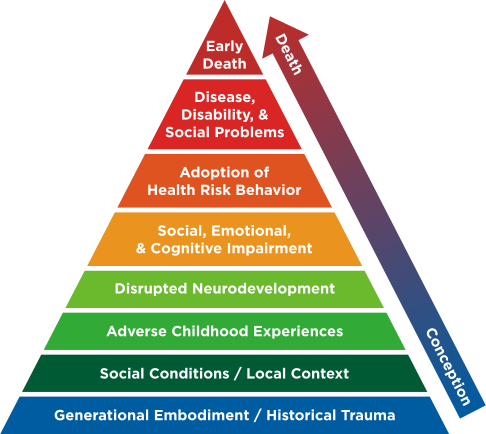
ACEs Pyramid
Iowa ACEs 360

ACEs Risk Factors

Having a caregiver with any of the following challenges:

  • Drug or alcohol issues
  • Mental health issues, including depression
  • Poor understanding of children’s needs or development
  • Were abused or neglected as children
  • Those who are young, single, or have many children
  • Those with low education or income
  • Those experiencing high levels of parenting stress or economic stress
  • Those using spanking and other forms of corporal punishment for discipline
  • Caregivers in the home who are not a biological parent
  • Those who generally accept or justify violence or aggression
unhappy child, parents arguing

Families with the following difficulties

  • Have household members in jail or prison
  • Those isolated from or not connected to other people (extended family, friends, neighbors)
  • Families experiencing other types of violence, including relationship violence
  • High conflict and negative communication styles
man in white t-shirt standing in front of window

Communities with the following problems

  • High rates of violence and crime
  • High rates of poverty and limited educational and economic opportunities
  • High unemployment rates
  • Easy access to drugs and alcohol
  • Where neighbors don’t know or look out for each other
  • Communities with limited community involvement among residents
  • Few community activities for young people
  • Unstable housing or where residents move frequently
  • Communities where families frequently experience food insecurity

ACEs Protective Factors

Caregivers who do these things or have the following characteristics:

  • Create safe, positive relationships with children
  • Nurture their children and provide emotional support
  • Meet the basic needs of food, shelter, education, and health services
  • Have a college degree and have steady employment

Families with the following characteristics

  • Strong social support networks and stable, positive relationships in their community
  • Caregivers are present and interested in the child(ren)
  • Caregivers enforce household rules and monitor their child(ren)
  • Caring adults outside the family who can serve as role models or mentors
woman in black and white striped shirt carrying baby in blue onesie

Communities where families have access to the following

  • Safe, stable housing
  • High-quality preschool
  • Nurturing and safe childcare
  • Safe, engaging after-school programs and activities
  • Medical care and mental health services
  • Economic and financial help
  • Adults have work opportunities with family-friendly policies
After school program

Resilience: The Biology of Stress
& The Science of Hope (movie trailer)

Resilience movie trailer


The Seven C’s of Resilience

The 7 Cs of Resilience

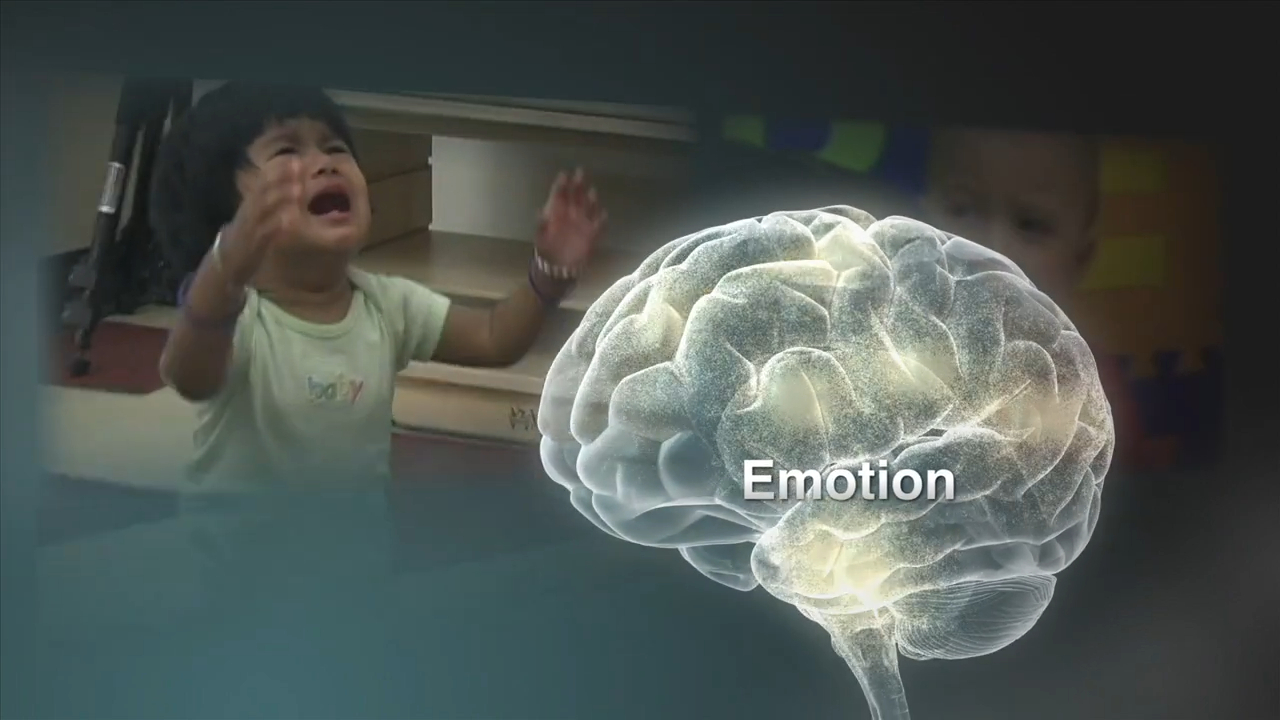
Child Brain Development 

  • Ninety percent of brain growth happens before kindergarten.
  • At birth, the average baby’s brain is about a quarter the size of the average adult brain.
  • Incredibly, the brain doubles in size in the first year.
  • The brain keeps growing to about 80% of adult size by age three and is 90%, nearly fully grown by age five.

The Baby Brain

First Things First - The Baby Brain
Source: First Things First

Toxic Stress Derails Healthy Development

Center on the Developing Child - Harvard University - Toxic Stress Derails Healthy Development

Source: Center on the Developing Child at Harvard University

Start Here
Learning Modules