
Understanding Treatment and Providing Support
Signs of an Opioid or Substance Use Disorder
- Significant impairment and distress;
- Unsuccessful efforts to cut down or control the use;
- Failure to fulfill obligations at work, school, or home, among other criteria;
- Overpowering desire to use opioids, increased opioid tolerance, and withdrawal when use has stopped.
Opioid Use Disorder:
Causes, Symptoms and Treatment
Source: Medical Centric | https://youtu.be/Fa2XQYHGW5k
Important Things to Know about Treatment
- Treatment must be readily available.
- The earlier the treatment is offered, the better.
- Counseling/behavioral therapies are important.
- Treatment must be continually monitored and followed/linked.
- Mental health issues common in people with Substance Use Disorder should be addressed.
- Medically assisted detoxification is only the first stage of addiction treatment and does little to change long-term drug use.
- Treatment does not have to be voluntary to be effective.
- Family and peers are important to recovery.
- Many people who misuse opioids do not get treatment. They need to know about treatment options.
- Medications (methadone, buprenorphine, or naltrexone) are helpful.
Understanding Opioid Addiction Treatment and Types of Medications
Source: Mass General Brigham | https://youtu.be/8iwL6R4cczA
When to Seek Professional Help
We must work to destigmatize the seeking of professional mental health help and ensure it is available in our community with competent, trained practitioners familiar with and attuned to the racial and ethnic minorities in our community. One of the goals of the group that will work to improve our community might be to assess the availability of affordable mental health treatment, which has implications for MOUD treatment and choice of medication and is of special concern for returning citizens.
Because many people who misuse opioids have accompanying mental health issues, this mental health access is vital, and if available before substance misuse begins, it may prevent or lessen the impact of substance misuse.
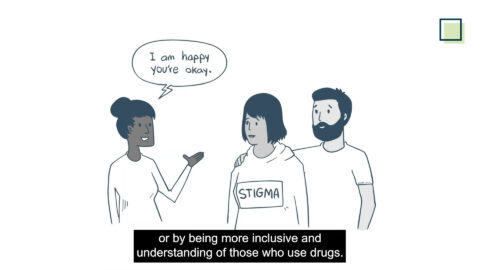
Stigma and Treatment: How to Correct

The Substance Abuse and Mental Health Services Administration (Wood & Elliott, 2020) suggests that individuals may be misinformed and/or biased about opioid use disorders. It is vital for providers and community members to share accurate information about addiction and brain function to dispel myths and misconceptions about recovery.
Throughout counseling and educational sessions, clarifying the medical nature of opioid addiction as a chronic illness will be beneficial.
Addressing Stigma in Healthcare
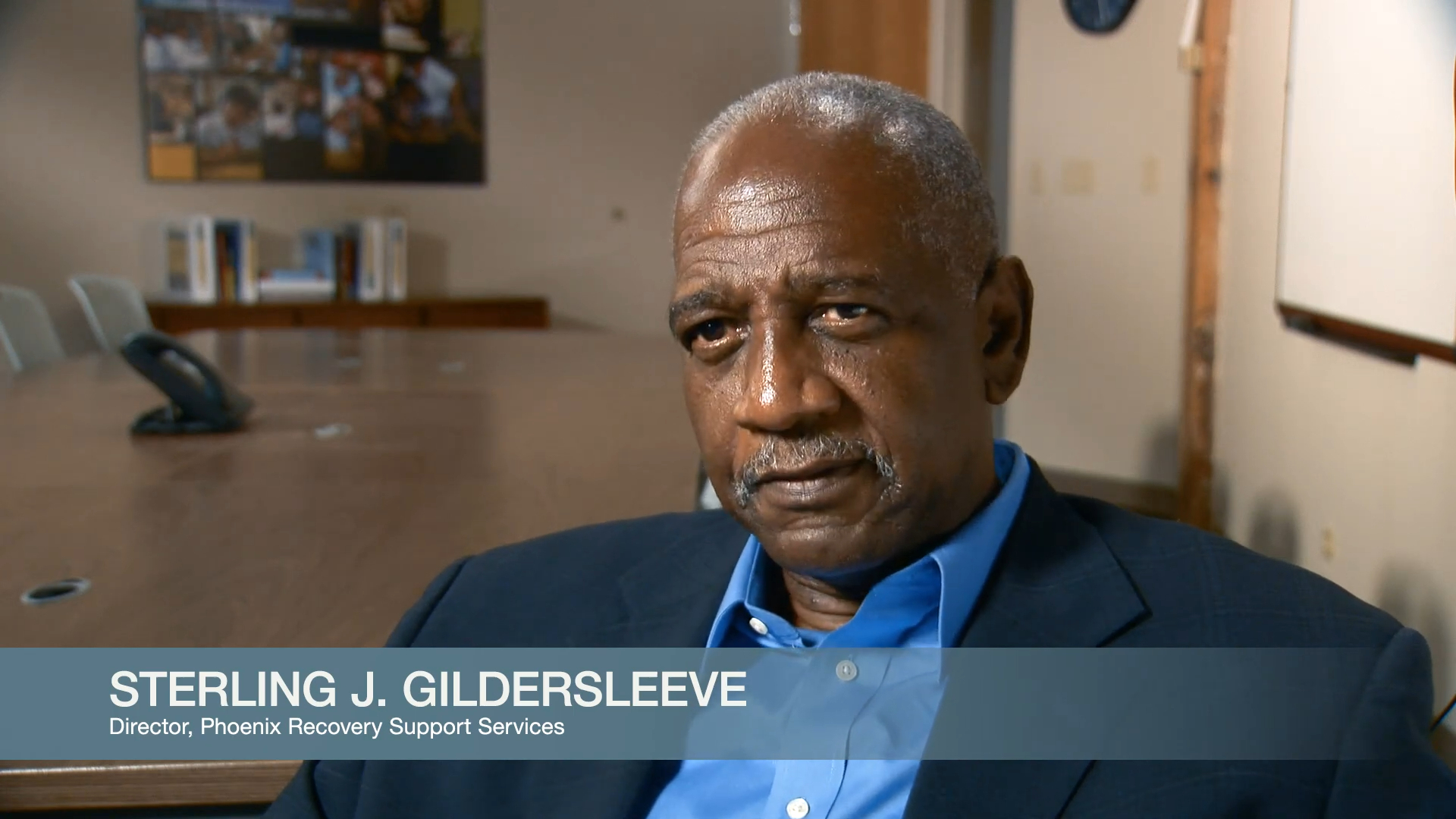
The NIH HEAL Initiative challenged researchers to consider stigma when planning ways to address the opioid crisis.
How to Provide Support
Recommendations and Resources


Combat MOUD: Myths and Misconceptions
True or False?
Medications for Opioid Use Disorder (MOUD)/Medication Assisted Treatment (MAT) is harmful and perpetuates stigma, limiting recovery options and healing.
(False.) MOUD/MAT promotes healing and recovery by relieving withdrawal symptoms and reducing drug cravings. It can prevent relapse without causing a “high” to improve patient survival, increase retention in treatment, decrease illicit opiate use and criminal activity, and increase employment ability and maintenance (National Center on Substance Abuse and Child Welfare, n.d.).
MOUD/MAT just substitutes one addiction for another.
(False.) MOUD/MAT promotes healing and recovery by relieving withdrawal symptoms and reducing drug cravings. It can prevent relapse without causing a “high” to improve patient survival, increase retention in treatment, decrease illicit opiate use and criminal activity, and increase employment ability and maintenance (National Center on Substance Abuse and Child Welfare, n.d.).
Quitting drugs is all about willpower.
(False.) Addiction is a medical disease that affects the brain and body. Opioids are highly addictive and change how the brain works. Many treatment programs supplement opioid withdrawal drugs with behavior therapy and/or support groups to address biological symptoms (NIDA, 2018).
You should not be on MOUD/MAT if you are pregnant.
(False.) Quickly stopping opioids during pregnancy can have serious consequences, including preterm labor, fetal distress, or miscarriage. Pregnant women are encouraged to discuss the potential use of these medications with their doctor.
MOUD/MAT should not be long-term.
(False.) Individuals’ treatment plans are created with their medical providers, and the length depends on the person (FDA, 2023). People may safely be on MOUD/MAT medications for months, years, or even a lifetime. Shortening or extending treatment should always be discussed with one’s provider first.
Medication-Assisted Treatment and Common Misconceptions

Source: SAMSHA | https://youtu.be/_RP27Qh1hZY
Treatment Access
Access and Insurance
Health care providers are encouraged to discuss the full range of options for MOUD available in North Carolina.
The Current State of Treatment
How many people with opioid use disorder (OUD) do not receive evidence-based treatment?
90%
What percentage of outpatient treatment programs offer medication for addiction treatment?
27%
What are the barriers to opioid treatment?
Opioid Treatment Has a Racial Component



What Is the Treatment for Opioid Disorder?
One size doesn’t fit all. There are many paths to recovery. For some, buprenorphine alone is the right fit. Others combine medication and counseling. Some use methadone. Some choose abstinence. Individuals are encouraged to talk with their health professional, and the people who support them about what’s the right choice for them.
Elements of an Effective Treatment Plan

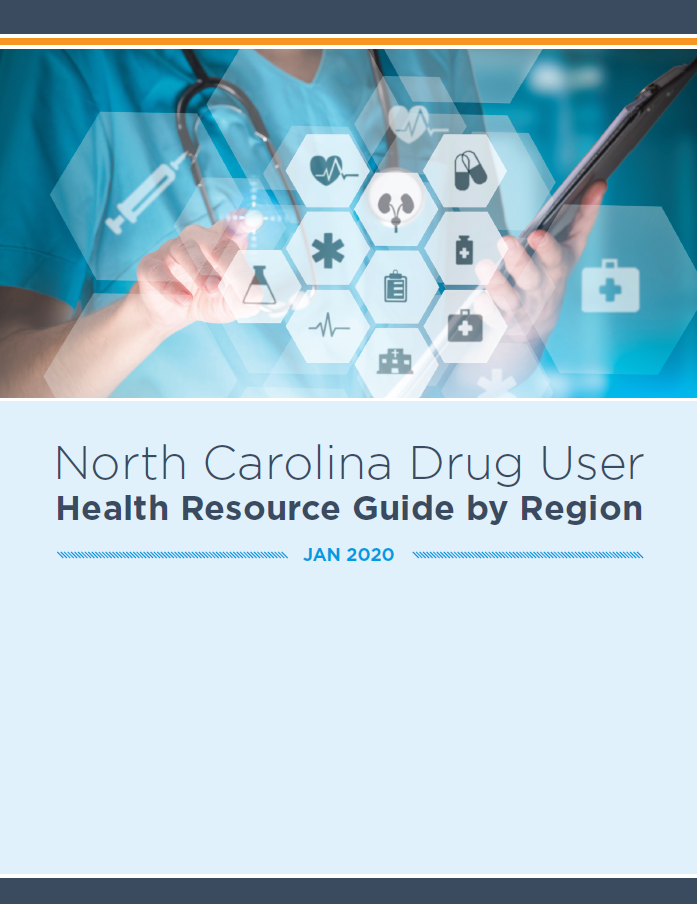
Health Resource Guide by Region
Reversing the Epidemic
Integrated Health Care
The best treatment plans may need a variety of professionals:
- Nurses
- Social Workers
- Psychiatrists
- Therapists
- Doctors

- Proper communication among team members
- Respect for the opinions of all healthcare providers involved
- Patient involvement in treatment decisions
- Prioritizing the patient’s needs

Medication for Opioid Use Disorder (MOUD)
MOUD, also known as Medication-assisted Treatment (MAT), is combined with counseling for a “whole-patient” approach and addresses other health conditions, including mental health.
Evidence shows that methadone, buprenorphine, and naltrexone all reduce opioid use and opioid use disorder-related symptoms, and they reduce the risk of infectious disease transmission and criminal behavior associated with drug use. These medications also increase the likelihood that a person will remain in treatment, associated with lower risk of overdose mortality, reduced risk of HIV and HCV transmission, reduced criminal justice involvement, and greater likelihood of employment, according to NIDA (2021).
FDA-approved Medications for Treating Opioid Use Disorder (OUD)
- Methadone — replacement medication that suppresses or reduces cravings for opioids.
- Buprenorphine — replacement medication, that suppresses or reduces cravings for drugs being misused.
- Naltrexone — blocking medication which binds and blocks opioid receptors for drugs being misused.
Medication-assisted Treatment Options for Opioid Use Disorder
Methadone | Buprenorphine | Suboxone | Naltrexone |
|---|---|---|---|
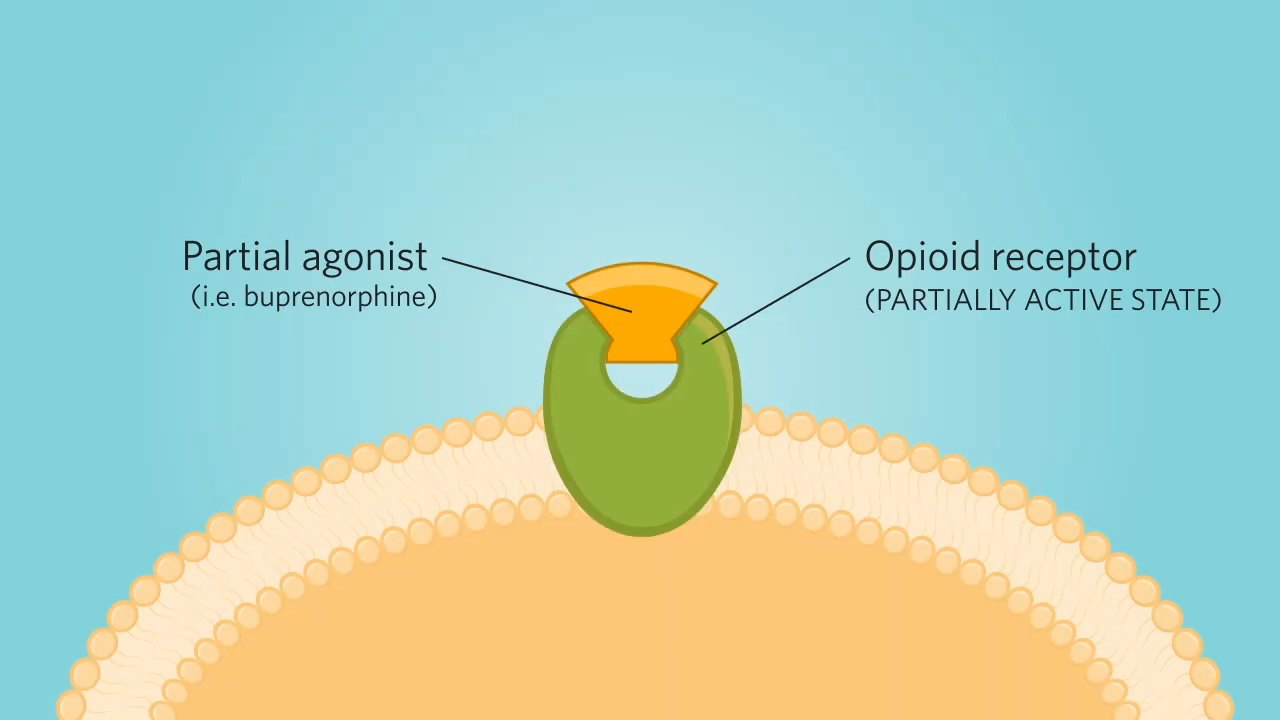
Full opioid (agonist). Binds fully to mu-opioid receptors, allowing its effects to be fully felt. | A partial mu-opioid agonist, so while it binds to receptors, it does not produce the same intensity of effect as methadone and other full agonists. | Contains two medications — Buprenorphine — A partial opioid agonist.
Naloxone — An opioid antagonist. | An opioid antagonist, a medication that blocks opiate receptors, therefore blocking the effects of the opioid. |
Methadone is a Schedule II controlled substance, indicating a higher misuse risk. | Buprenorphine is a Schedule III controlled substance with lower risk and generally has fewer requirements. | Buprenorphine – Schedule III controlled substance
Naloxone – Not a controlled substance | Exempt from Drug Enforcement Agency (DEA) scheduling |
Synthetic | Semi-synthetic compound | Synthetic or semi-synthetic Contains both buprenorphine and naloxone – and works to reduce withdrawal symptoms of dependence | Synthetic An antidote to reverse an opioid overdose |
24 to 36 hours or half-life | 36 to 45 hours/half-life | Lasts about 24 – 36 hours | 4 mg, and repeat every 2 – 3 minutes in alternating nostrils until help arrives |
Oral concentrate (10 mg/ml), oral solution (5 and 10 mg/5ml), tablet (5, 10, and 40 mg), injection (10mg/ml) and powder (50, 100, and 500 mg/bottle for prescription compounding). | Oral forms include a buccal film and sublingual tablets. Parenteral routes include a subdermal or subcutaneous implant and intravenous (IV) or intramuscular (IM) injections. | Film dissolved in the mouth Oral Pill Injection in the stomach | Oral Tablet Injection |
Higher risk of overdose- Need more supervision, more highs | Less risk of overdose due to the ceiling effect | Less risk of overdose due to the ceiling effect | No risk
|
It can take weeks to reach a full therapeutic effect with methadone | It takes only a few days with buprenorphine to reach full effect. | It takes effect in about 20 to 60 minutes. | It takes effect in a couple of minutes (2 – 3) and lasts for about 30 to 90 minutes. |
Moderate to severe protracted withdrawal systems/ fewer side effects | Mild withdrawal symptoms/more side effects | May result in acute withdrawal | Withdrawal symptoms may last as long as a month |
Inexpensive | More expensive than methadone | More expensive than methadone | The oral tablet is less expensive than the injection. |
Table references: Notes for this chart are in Appendix A with references for Module 5.
Medication-Assisted Treatment Overview: Naltrexone, Methadone & Suboxone l The Partnership

Mechanism of Action of a Partial Opioid Agonist
How Does Medication Work?
Medical Intervention
Health problems are frequent in individuals with SUD including HIV, hepatitis A, B, & C. Sexual side effects are also common. Other chronic health conditions such as lung disease, heart disease, cancer, and other illness may exacerbate the problem. They must be addressed concurrently, using a whole-person approach.
Overdose risk factors
- Mixing opioids with respiratory depressants or “downers” such as alcohol or benzodiazepines.
- Mixing opioids with stimulants or “uppers” such as cocaine or methamphetamine.
- History of past overdoses.
Source: Opioid Overdose Risk Factors (Mass.gov)
Housing Intervention
Participants noted that being discharged to live on the streets or to a shelter without placement in a recovery house created many challenges and that many people face triggers for their opioid use when they do not have a place to go after inpatient detox (David et al., 2022).
Some participants reported that without a plan in place, they were unable to get the support they needed to successfully complete crucial next steps on the road to long-term recovery (David et al., 2022).
Some participants identified safe and stable housing as an important factor for success and discussed using treatment to get help with housing instability. Assistance in securing stable housing would allow individuals to focus on recovery from substance use (David et al., 2022).
Mental Health Intervention
About 51.4% of the total opioid prescriptions distributed in the United States each year were written for people with a history of anxiety or depressive disorders, (Davis, Lin, Liu, & Sites, 2017).
Those who are suffering from pain often have anxiety and depression. Many struggle to cope with daily stressors or past trauma. Mental health therapy can help a person:
- Become motivated to change
- Develop an understanding for why we misuse substances
- Develop problem-solving skills
- Help reduce or stop drug misuse
- Replace drug use with new healthy activities
- Refine or develop effective skills for rebuilding relationships
- Build a support network
- Group therapy can help you know that you are not alone
- Peer support programs can help maintain abstinence.
Introduction to Cognitive Behavioral Therapy
for Substance Use Disorders

Source: Friends & Supporters| https://youtu.be/Otu5Ajlo-_w
Harm Reduction
- Harm reduction supports people who use drugs by meeting their immediate needs and considering their circumstances.
- Aims to prevent overdose and infectious disease transmission.
- Offers low-threshold options for accessing substance misuse treatment and other health care services.
- Emphasizes the need for humility and compassion toward those who use drugs.
- Fentanyl test strips (FTS) can detect the presence of fentanyl in drug samples before use.
Sources:
Centers for Disease Control (CDC), National Harm Reduction Technical Assistance Center. https://harmreductionhelp.cdc.gov/s/
Krawczyk, N., et al, 2022. “Intersecting substance use treatment and harm reduction services: exploring the characteristics and service needs of a community-based sample of drug users.” Harm Reduction Journal, 19(1).
Substance Abuse and Mental Health Services Administration (SAMHSA) (April 24, 2023). Harm Reduction. https://www.samhsa.gov/sites/default/files/harm-reduction-framework.pdf
Harm Reduction Principles: Ryan White HIV/AIDS Program TargetHIV. https://www.youtube.com/watch?v=UXdLsyuQATk
Post-overdose Response Team (PORT)
The overdose follow-up program allows agencies to visit a recently overdosed person (within 24 – 72 hours). According to the North Carolina Harm Reduction Coalition (NCHRC), a follow-up visit within days of a naloxone reversal provides the following:
- Opportunity to direct people to harm reduction services and/or treatment to reduce or stop substance use.
- Opportunity to provide naloxone, overdose prevention training, and prevention materials.
- Opportunity for stakeholders to work together to reduce overdose mortality.
Source: North Carolina Department of Human Services: Post Overdose Response Toolkit (PDF)
Relapse Prevention Strategies Help People Stay in Treatment
Top Relapse-Prevention Strategies
- Self-care
- Address common withdrawal symptoms including insomnia and fatigue
- Assess HALT (Hungry, Angry, Lonely, and Tired)
- Practice Mindful Meditation
- Identify Your Triggers
- May include boredom, stress, money problems, relationship issues, certain sights or smells, certain people or places, falling into old habits, anger, etc.
- Join a Support Group, either online or in-person
- Use Grounding Techniques
- Breathe Deeply
Source: Parisi, Theresa, “The Top 10 Relapse Prevention Skills,” October 24, 2019. Addiction Center.
Complementary/Alternative Health Approaches for Chronic Pain
Rather than taking opioids to treat chronic pain, a person may try other ways to reduce pain such as acupuncture, hypnosis, massage, mindfulness meditation, music-based interventions, spinal manipulation, tai chi, qigong, and yoga.
- Some people have found relief by using the TENS unit (TENS, NHS, 2022). Transcutaneous electrical nerve stimulation (TENS) is an easy-to-use pain relief method using a mild electrical current connected to sticky pads (electrodes).
- To learn more about chronic pain alternative treatments, visit: https://www.nccih.nih.gov/health/chronic-pain-what-you-need-to-know#hed3.
- For dietary supplement recommendations, visit https://www.nccih.nih.gov/health/dietary-and-herbal-supplements.
- Prior to exploring alternative approaches to chronic pain, please consult your medical provider.
Transportation to Treatment
Modes of transportation within Durham County include:
- GoDurham and GoTriangle (Public Transportation in Durham County through both fixed-route bus service and ACCESS demand-response van service) 919 – 485-RIDE.
- GoDurham ACCESS (Durham County contracts to provide transportation options for qualified individuals for medical, employment, human services, government, and personal care trips).
- Wisdom Care Transportation (specializes in Non-Emergency Medical Centers Transportation) needs, from airport transfers to transportation to medical, chemotherapy, dialysis, adult day centers, etc. Medicaid accepted.
- Duke Regional: (919) 470‑4000 Duke ER only does referrals and assessments.
- Lincoln Community Health Center: (919) 956‑4000
What to Do in a Crisis – Suicide Concerns
Along with the growing substance misuse epidemic, there is also a suicide epidemic, and often they stem from the same sources.
There is help.
- If you or someone you know is struggling or having thoughts of suicide, call or text the 988 Suicide & Crisis Lifeline at 988 or chat at 988 Lifeline Chat.
- This service is confidential, free, and available 24 hours a day, seven days a week.
In life-threatening situations, call 911.