Preventing Opioid Deaths
Availability and Use of Life-Saving Medications
The opioid crisis is devastating, but we have ways to reduce its impacts, including the death rate. Opioid deaths can be prevented by sharing information about opioid treatment and the use of life-saving medications that can counteract an overdose.
What Is Naloxone?
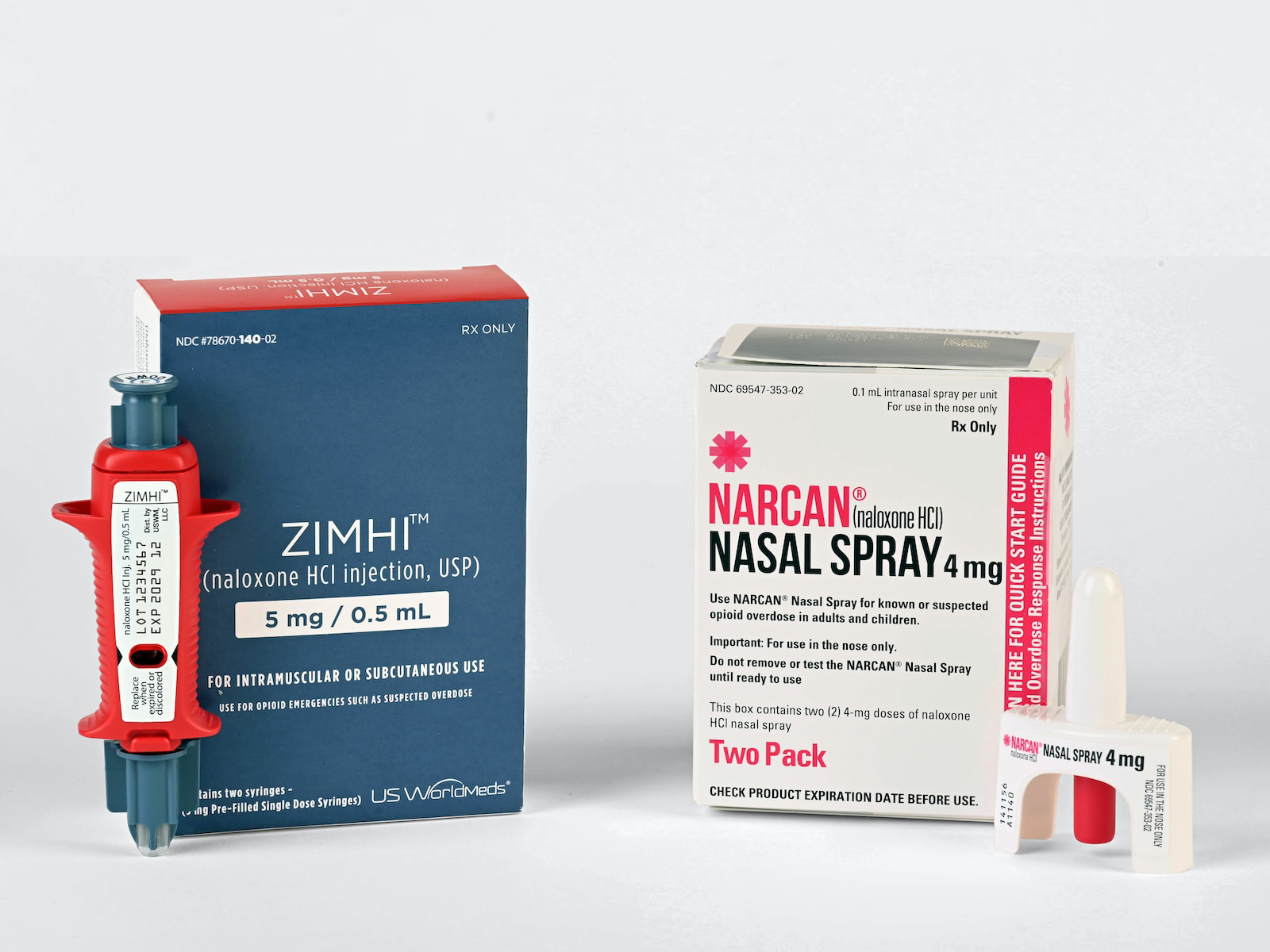
Naloxone is a life-saving medication that can counteract an overdose of opioids, including heroin, fentanyl, and prescription opioid medications. Naloxone/Narcan is available in most states without a prescription, is easy to use, and light to carry. Carrying naloxone with you can help save lives (CDC, 2023).
Naloxone/Narcan is available at no cost at the Durham County Detention Center, 219 S Mangum St. Durham, NC 27701 and Durham County Public Health Center at 414 E Main St, Durham, NC 27701.
- Bystanders with naloxone can help save the life of a person who has overdosed on opioids.
What Is Opvee?
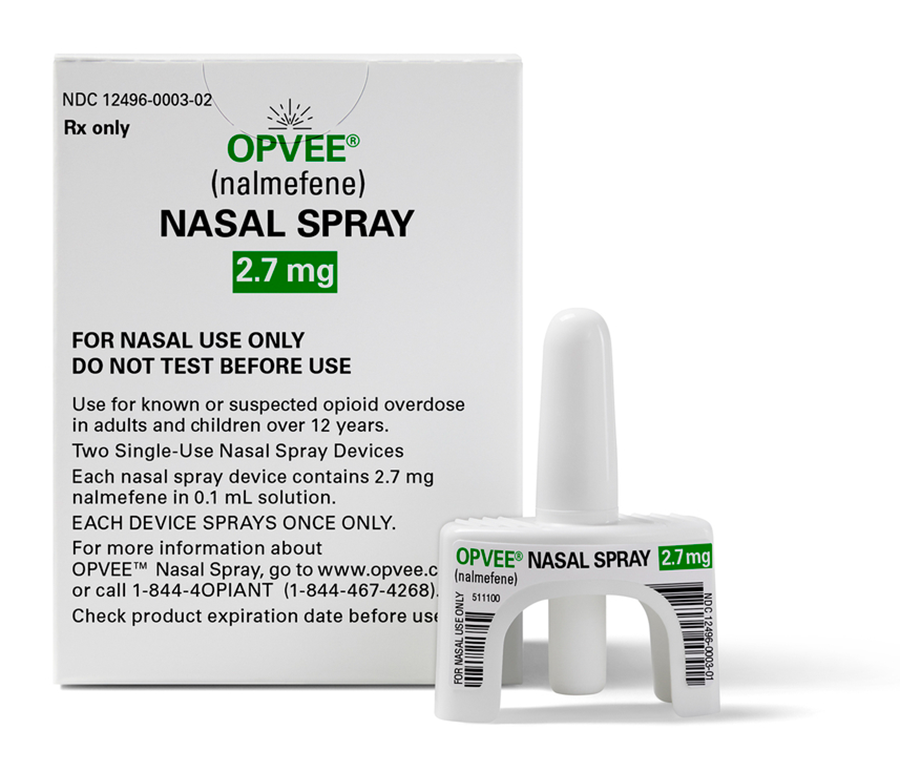
Opvee is a prescription nasal spray that can be used to reverse opioid overdoses.
For more information: Opvee vs. Narcan: 6 Similarities and Differences Between These Opioid Reversal Medications from Good RX Health by Jennifer Gershman (September 2023).
WATCH AND DISCUSS
How Naloxone Saves Lives in Opioid Overdose
from
National Library of Medicine
Recognizing Signs of an Opioid Overdose and How to Respond
What Happens During an Overdose?
During an overdose, breathing can be dangerously slowed or stopped, causing brain damage or death. Death from an opioid overdose happens when too much of the drug overwhelms the brain and interrupts the body’s natural desire to breathe.
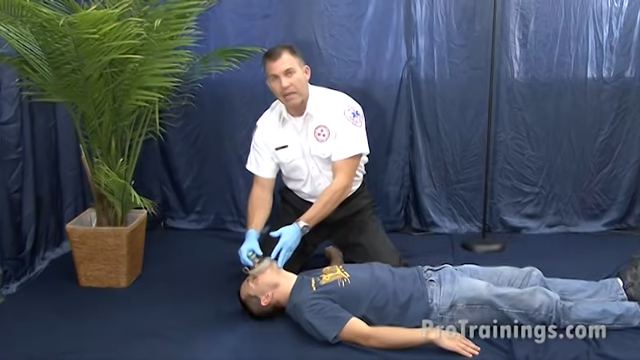
Responding to an Overdose
Hover over the cards below for more instructions.
STIMULATION
If there is a response, keep the person awake until help arrives.
CALL FOR HELP
Say: “A person has overdosed or is unresponsive.”
Hands-Only CPR
GIVE NALOXONE
RECOVERY POSITION
Risk Factors
Several factors can increase a person’s risk of overdosing.
- Changes in tolerance may occur after not using opioids or using less of them, such as after inpatient treatment or incarceration.
- Changes in the drug supply.
- Mixing opioids with respiratory depressants or “downers,” such as alcohol or benzodiazepines (benzos), can slow down the central nervous system and can lead to extreme sleepiness, slow or difficulty in breathing, coma, or even death (DEA, 2020).
- Mixing opioids with stimulants, such as cocaine and methamphetamine.
- Having chronic health conditions such as HIV, Hepatitis C, lung disease, heart disease, or other health concerns.
- History of past overdoses.
Alcohol and Opioids: A Deadly Combo
A person who misuses alcohol has a greater risk of using at least one other substance, such as opioids, marijuana, cocaine, and heroin. Prolonged use of drugs and alcohol increases your tolerance, requiring more substances to achieve the same effects (Alcohol Rehab Guide, May 2023).
Opioids and alcohol are both depressants that slow down breathing and impair judgment. Mixing them has a synergistic effect, meaning each substance is stronger when taken together than when taken separately, often leading to potentially fatal consequences, such as coma, brain damage, overdose, and death. Therefore, no amount of alcohol is considered safe when taking opioids.
Don’t mix depressants (aka downers), including alcohol, opioids (heroin, morphine, oxycodone, hydrocodone, fentanyl), and benzodiazepines. Depressants can slow your breathing and increase your risk of death and other bad outcomes, such as damage to your brain and other organs.
Mixing stimulants and depressants does not balance or cancel each other out. The results of combining drugs are unpredictable, often modifying or even masking the effects of one or both drugs, which may trick you into thinking that the drugs are not affecting you, making overdosing easier.
Speedballing
Speedballing is taking cocaine and heroin together which causes a “push-pull” reaction in the body that can be very dangerous. It is especially risky because it forces the body to process more types of drugs simultaneously.
What You Need to Know about Providing Medical Assistance
Under North Carolina’s Good Samaritan Law, you may not be prosecuted for certain drug offenses under the following conditions:
- You seek medical assistance for someone experiencing a drug-related overdose by contacting 911, a law enforcement officer, or emergency medical services personnel.
- You are the first person to seek medical assistance for the overdose victim.
- You provide your name to the 911 operator or an emergency services personnel.
- Law enforcement officers were not already at your location executing an arrest warrant, search warrant, or other lawful search.
- Any evidence for prosecution of a drug-related offense obtained by a law enforcement authority was obtained because you sought medical assistance for a drug-related overdose.
Fentanyl Test Strips (FTS)
Fentanyl test strips can detect the presence of fentanyl in drug samples. FTS are a reliable means of providing people at risk of fentanyl exposure with more information, which can decrease the risk of overdose.
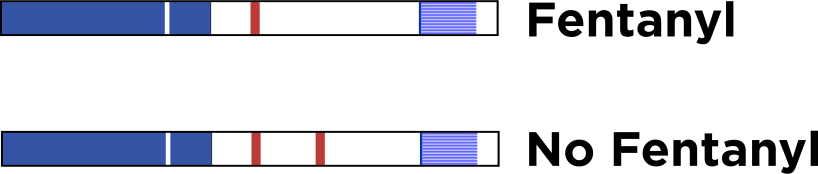
How to Use Fentanyl Test Strips
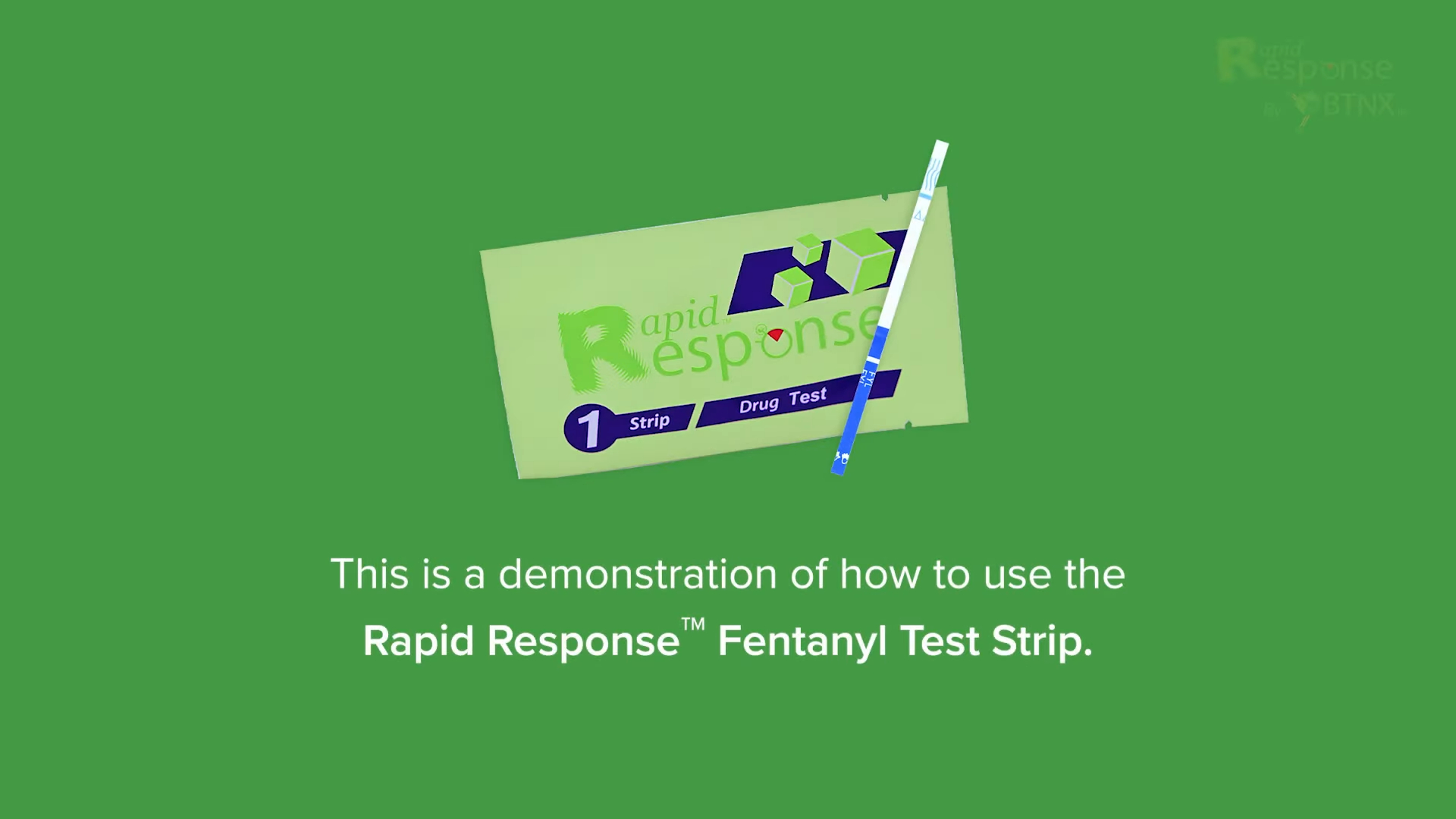
Please make sure test strips are legal in your state. Otherwise, they could be considered drug paraphernalia.
Where can I get more info about Naloxone?
- North Carolina Harm Reduction: https://www.nchrc.org/reversals/
- National Institute on Drug Abuse (NIDA). (January 2022). Naloxone Drug Facts https://nida.nih.gov/publications/drugfacts/naloxone
- Centers for Disease Control. (April 21, 2023). Life Saving Naloxone. https://www.cdc.gov/stopoverdose/naloxone/index.html
- Centers for Disease Control. (July 10, 2020). Save a Life from Prescription Opioid. Rx. https://www.cdc.gov/rxawareness/prevent/
- Drug Enforcement Agency. (April 27, 2020). One Pill Can Kill; Save Lives with Naloxone. https://www.dea.gov/onepill/save-lives
- National Institutes of Health and National Institute on Drug Abuse, (n.d.). Treatment of Opioid Use Disorder: Overdose Prevention https://youtu.be/7p_SU6zcvbA?t=15